
How to Become a Personal Trainer
Where to Start and Where Can a Career in Personal Training Take You?
Becoming a personal trainer can be the beginning of a rewarding and flexible career in the fitness industry. However, becoming qualified is only the first step. A successful personal trainer needs more than an understanding of exercise. You need to be able to communicate with different types of people, understand their goals, build trust, deliver effective training and continue developing your knowledge throughout your career.
The fitness industry also offers far more opportunities than simply working on a gym floor. Personal trainers can work in commercial gyms, private studios, health clubs, online coaching, corporate fitness, specialist exercise settings and their own businesses. With the right experience and continued education, personal training can also lead into management, education, specialist coaching and business ownership.
This guide explains how to become a personal trainer, what qualifications you need, how to choose the right training provider and what you can do after becoming qualified.
Is Personal Training the Right Career for You?
Before enrolling on a personal trainer course, it is worth considering whether the profession suits you. You do not need to be an elite athlete, have years of experience in a gym or already know everything about fitness. Those things can be developed through education, practice and experience.
What you do need is a willingness to learn and a genuine interest in helping other people. Personal training is fundamentally a people-focused profession. Every client will have different goals, expectations, motivations and barriers, so your ability to listen, communicate and adapt will be just as important as your technical knowledge.
You also need to be prepared to put in the work. Being enthusiastic about fitness is a good starting point, but building a career requires commitment. You will need to study, practise your coaching skills, learn how to work with different clients and continue developing professionally after you qualify.
Organisation is another important part of the job. Personal trainers manage appointments, programmes, client communication, records, marketing and often their own finances and business administration. You do not need to be an experienced business owner before starting, but developing good organisational habits will make building a successful career considerably easier.
You will also need basic digital skills. Modern personal training involves online learning platforms, booking systems, programming software, email, social media and other digital tools. You do not need to be technically advanced, but you should be comfortable learning and using new systems.
Understand the Industry Before You Start
The fitness industry is much broader than simply becoming a personal trainer in a commercial gym. There are opportunities in private studios, health clubs, online coaching, corporate wellbeing, specialist exercise settings, strength and conditioning and many other areas.
Understanding the industry before you enrol can help you make better decisions about your education and future career. Your first qualification should give you a solid foundation, but it does not have to determine exactly where your career ends up.
Many successful fitness professionals continue their education after completing their initial qualification and develop expertise in particular areas. This could include exercise referral, lower back pain management, obesity and diabetes management, strength and conditioning, specialist populations or particular training methods.
What Qualifications Do You Need to Become a Personal Trainer?
For most people entering the UK fitness industry, the standard route begins with a Level 2 Gym Instructor qualification before progressing to Level 3 Personal Trainer.
The Level 2 qualification provides the foundation knowledge and practical skills needed to work as a gym instructor. Level 3 Personal Trainer builds upon this foundation and develops the additional knowledge and competencies required to work as a personal trainer.
If you are starting from scratch, a combined Level 2 and Level 3 programme can therefore be a straightforward way to complete both stages of your initial education. At Redefining Fitness, the individual Level 2 and Level 3 qualifications are approximately six months each, while the combined pathway is designed to take approximately one year.
If you already hold relevant qualifications or experience, you may have alternative options. Recognised prior learning can be considered on a case-by-case basis, subject to the requirements of the relevant awarding organisation.
Choosing the Right Personal Trainer Course
Choosing your training provider is one of the most important decisions you will make at the beginning of your career. There are many organisations offering personal training courses, but the cheapest or quickest option is not necessarily the best investment.
Look beyond the course title and price. Consider who is teaching you, how experienced the tutors are, how much practical training you receive, what support is available and whether the course genuinely prepares you for working with clients.
You should also understand who awards the qualification and whether it is regulated. Depending on your course and time of enrolment, Redefining Fitness qualifications may be awarded through Active IQ or Transcend Awards. Both are Ofqual-regulated awarding organisations.
You can learn more about Active IQ, Transcend Awards and Ofqual before making your decision. You can also check regulated qualifications through the Register of Regulated Qualifications.

Look for Education That Goes Beyond the Qualification
A qualification is essential, but passing an assessment should not be the sole objective of your education. The real test begins when you have your first client standing in front of you.
You need to understand how to assess clients, communicate effectively, programme training, coach exercises and adapt your approach when something does not go according to plan. You also need to understand professional boundaries and when a client should be referred to another appropriately qualified professional.
This is why the support offered by a training provider matters. A good provider should help you develop the confidence and practical understanding to apply what you have learned rather than simply giving you course materials and leaving you to work everything out yourself.
Complete Your Qualification
Once you have selected the right provider and enrolled, the next stage is to complete your education and assessments. This means engaging with the theory, developing your practical skills and putting the work into understanding the material rather than simply trying to memorise enough information to pass an exam.
At Redefining Fitness, our Level 2 Gym Instructor and Level 3 Personal Trainer qualifications each take approximately six months when studied individually. Learners completing the combined Level 2 and Level 3 pathway typically complete the programme over approximately one year.
The flexible structure allows you to organise your learning around existing commitments while still working towards the required completion timeframe. The objective is to leave the course with a genuine understanding of the subject and the competence to apply it professionally.
Prepare for Your Career
Once you have successfully completed your qualification, you need to prepare yourself for professional practice. This includes making sure you have appropriate insurance and understanding the responsibilities associated with working as a personal trainer.
Depending on your circumstances and business model, relevant insurance can include professional indemnity and public liability cover, with other forms of cover potentially appropriate depending on the services you provide.
You should also understand the limits of your role. A competent personal trainer needs to know what falls within their scope of practice and when a client should be referred to an appropriately qualified healthcare or other professional.
Where Can You Work as a Personal Trainer?
There are several different routes you can take after qualifying. Many newly qualified trainers begin working in a commercial gym, where they can gain experience, develop their coaching skills and build relationships with potential clients.
Other trainers choose self-employment. This could mean renting space in an established gym, working from a private studio, delivering mobile personal training or building an online coaching business. More experienced trainers may eventually establish their own facility or develop a larger fitness business.
There is no single career path that every personal trainer needs to follow. Your preferred route will depend on your ambitions, financial circumstances, experience and the type of working environment you enjoy.
Build Experience Before Trying to Become a Specialist
Once you qualify, your priority should be becoming a good personal trainer. This means gaining experience with different clients, learning how people respond to different coaching approaches and becoming more confident in your ability to assess, programme and coach effectively.
It can be tempting to immediately collect as many additional qualifications as possible. However, more certificates do not automatically make you a better trainer. Developing your ability to apply your existing knowledge and gaining experience working with real people is equally important.
As your experience develops, you will start to identify the areas of personal training that genuinely interest you. That is when specialist education can become particularly valuable.
Build Your Reputation and Client Base
A successful personal training career is built on the quality of the service you provide. Clients need to feel that you understand their goals, communicate clearly, deliver effective training and genuinely care about their progress.
Your reputation can become one of your most valuable business assets. Satisfied clients can generate recommendations, referrals and testimonials, while a strong online presence can help potential clients understand who you are, what you specialise in and how you can help them.
Marketing is important, particularly if you are self-employed, but it should support good coaching rather than attempt to replace it. The strongest long-term marketing strategy for a personal trainer is to consistently provide a service that people are willing to recommend.

Develop a Specialist Area
As your career progresses, developing specialist expertise can create new opportunities and help you differentiate yourself in an increasingly competitive industry.
You may choose to develop expertise in areas such as exercise referral, lower back pain management, obesity and diabetes management, strength and conditioning or specialist training methods. The right area will depend on the type of clients you want to work with and the direction you want your career to take.
Continuing professional development is an important part of this process. The fitness industry continues to evolve, and trainers who continue learning are better positioned to work with changing client needs and apply current knowledge to their practice.
Where Can Personal Training Take Your Career?
Personal training does not have to mean spending your entire career delivering one-to-one sessions on a gym floor. With experience and continued development, there are many potential directions your career can take.
You could move into specialist coaching, online training, fitness management, education, consultancy or business ownership. You may eventually build a team, open your own facility or develop a specialist service around a particular area of expertise.
Your initial qualification is therefore a foundation rather than a destination. The career you build from it is largely determined by how you develop your knowledge, experience and professional skills over time.
Why Choose Redefining Fitness?
Choosing the right training provider can have a significant impact on how prepared you feel when you enter the industry. At Redefining Fitness, our focus is on providing education that prepares learners for professional practice rather than simply helping them achieve a qualification.
Our courses combine flexible online learning with practical education, tutor support and opportunities to continue developing after Level 3. We work with learners across the UK through a blended delivery model designed to provide flexibility without losing the practical side of fitness education.
Our wider course portfolio also allows qualified professionals to continue developing their expertise through areas such as Exercise Referral, Lower Back Pain Management, Obesity and Diabetes Management and specialist training disciplines.
Start Your Personal Training Journey
If you are serious about becoming a personal trainer, choosing the right education is the first major decision you need to make. A good qualification should give you the technical foundation to work professionally, while the right training provider should help you develop the confidence and practical understanding to apply that knowledge.
Redefining Fitness offers Level 2 Gym Instructor and Level 3 Personal Trainer qualifications, including a combined pathway for learners starting their journey from scratch. We also provide specialist qualifications and CPD for professionals who want to continue developing after Level 3.
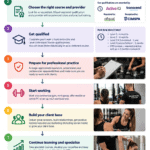
Our prospectus provides a complete overview of our courses, entry requirements, delivery options and pricing.
Download the Redefining Fitness Prospectus
If you are unsure which qualification is right for you, contact our team before enrolling. We can help you identify the most appropriate route based on your existing qualifications, experience and career goals.